Diabetic retinopathy is a retinal condition which occurs in patients with diabetes, in this condition there is damage to blood vessels of the retina. Both diabetic patients with type 1 or 2 can develop diabetic retinopathy. Usually occurring when the diabetes is uncontrolled and the levels of sugar elevated for a stretched period of time. This starts with some initial visual problem and then goes onto result in visual loss or loss of sight. Diabetic retinopathy is one of main cause for vision loss around the world. This is also the prominent condition with the patient with diabetes.
When the retinopathy advances in stage there are new blood vessels that grow on the retina and a proliferative diabetic retinopathy is developed. These new blood vessels are usually abnormal vessels that grow at the centre of the eye and cause visual impediments.
With age progression the vitreous shrinks and there is a pull force on the retina which goes onto tear a hole in the macular section which distorts the vision and viteroretinal surgery can be used to correct this.
There are no symptoms at the early stages of the diabetes retinopathy, the symptoms start to manifest themselves once there is a damage inside the eye. The symptoms usually are both eyed and are as below.
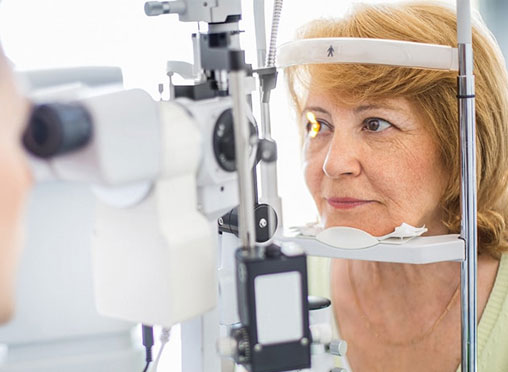
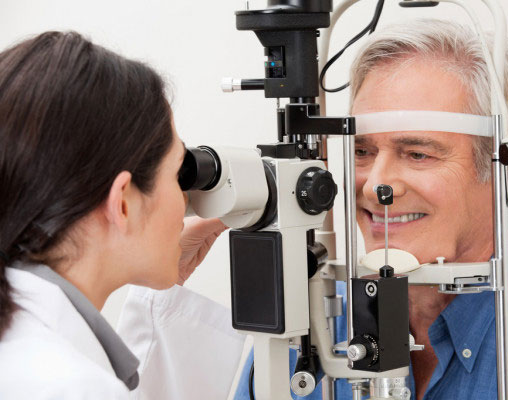
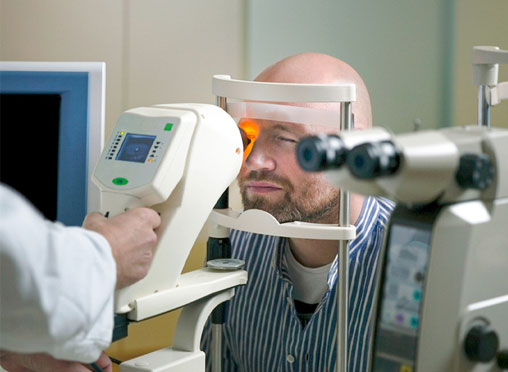
A dilated eye exam is performed by the doctor to open up the pupil widely and have a good look at the inside of the eye to diagnose the retinopathy. The doctors will check the eye for following
A dye is injected into the eye and allowed to flow and circulate into different blood vessels of the eye and then the flow of dye is tracked to see if there are any leaky blood vessels, picture is take of the circulating dye and determining blocked, leaky or broken vessels.
In this exam light waves are passed to produce images of the retina, this determines the retinal thickness, this exam determines how much fluid is accumulated in the eye.
Uncontrolled diabetes or uncontrolled sugar levels of the blood is the primary cause of diabetes retinopathy, sugar in the blood damages the blood vessels of the eye that supply blood to the retina, high blood pressure may also be a risk factor for diabetic retinopathy.
The diabetes being the main factor for diabetes retinopathy, this requires adequate checks periodically to control the diabetes and thereby retinopathy precaution. Diabetic patients for more than 30 years have a considerably more chance of developing this condition and almost every such diabetic patient develops some form of diabetic retinopathy.
Diabetic retinopathy is condition of the eye that can get worse and is serious one which can cause partial eyesight loss or total blindness of the eye. This once diagnosed with diabetes has to be controlled with proper management plan, some important things are as follows and may not include all:
We at Harsha Sai Eye Hospital provide the care for both diabetic retinopathy and any other retinal condition which are dependable and time tested.
Diabetes control is the key in managing your retinopathy in turn, so checking and keeping balance of the following can result as preventative measure for diabetes retinopathy:
Please fill in the form below and we will soon call you back.